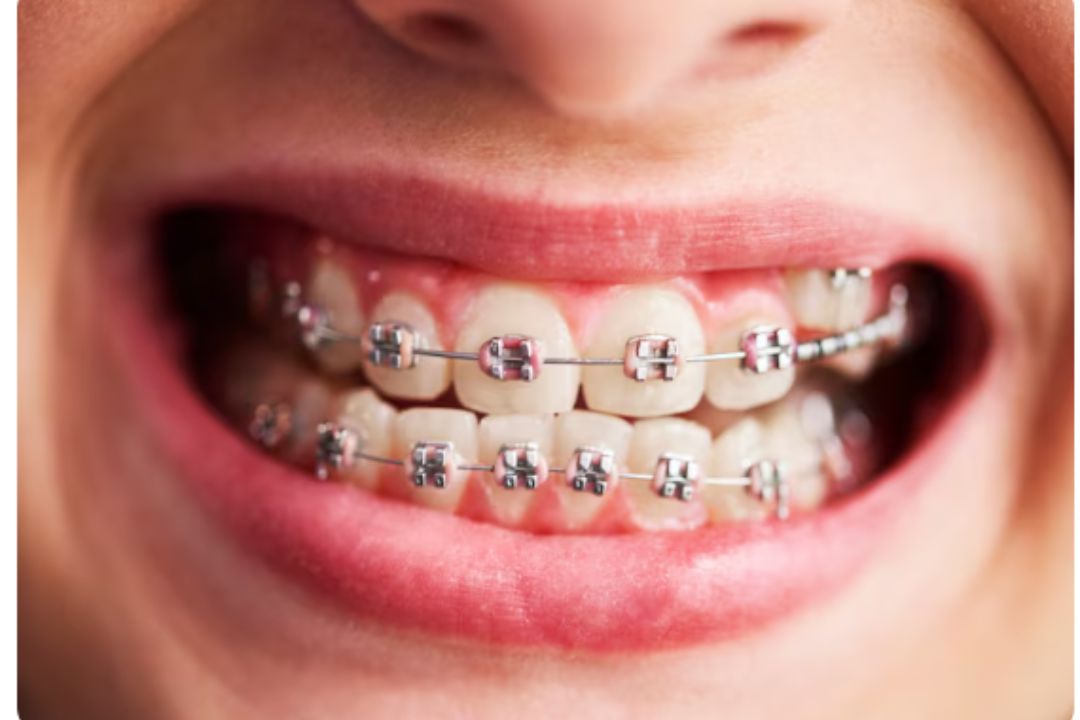
Metal brackets on teeth are a classic rite of passage for many, but today, the promise of nearly invisible aligners tempts patients to take a subtler route to a straighter smile. For anyone considering orthodontic treatment, the speed of results is a top concern. So, do traditional metal braces or clear aligners get you there faster?
What Are Traditional Metal Braces and How Do They Work?
Every orthodontic journey begins with a system designed to move teeth in a controlled way. Traditional metal braces rely on stainless steel brackets bonded to each tooth, which are then connected by a thin archwire. Rubber bands (elastics) may be added to apply extra pressure or adjust bite alignment. Over time, gentle force from the wire and elastics nudges teeth into new positions.
Components: Brackets, Archwires, and Elastics
What makes up a set of metal braces? Brackets act as anchors, the archwire delivers the main force, and colored elastics (chosen by the patient for a personal touch) hold the wire in place. Some systems swap elastics for self-ligating clips, reducing friction and the number of adjustment visits.
Treatment Process and Typical Duration
The process starts with a custom plan mapped by an orthodontist. After the brackets and wires are affixed, adjustments occur every 4-8 weeks. The typical treatment time for metal braces ranges from 18 to 36 months, though moderate cases can be done in as little as a year.
Modern Comfort Improvements
Gone are the days of bulky, painful appliances. Today’s braces are smaller and use high-quality materials that minimize irritation. Self-ligating brackets also mean fewer office visits and less pressure on teeth.
What Are Clear Aligners and How Do They Work?
Clear aligners have become the go-to choice for adults and teens who prioritize discretion. Instead of fixed brackets, a series of custom-made, BPA-free plastic trays fit snugly over the teeth, shifting them incrementally.
Design and Material of Clear Aligners
Made from medical-grade, transparent plastic, each aligner set is fabricated to match the patient’s digital scan. Trays are smooth, nearly invisible, and swapped out every 1-2 weeks to keep pushing teeth into their ideal positions.
Treatment Process and Typical Duration
After a 3D scan and virtual treatment plan, patients receive a set of aligners. They must be worn 20-22 hours daily, with only short breaks for eating or drinking. Most mild-to-moderate cases resolve in 6 to 18 months, though complex movements may extend the timeline.
Benefits of Removability and Aesthetics
The greatest perks? Clear aligners can be removed for meals and brushing, eliminating food restrictions and making oral hygiene far easier. Their low profile makes them nearly undetectable in photos and daily life.
Which Orthodontic Option Straightens Teeth Faster?
Everyone wants a quicker path to straight teeth, so how do these two options compare?
| Treatment Type | Typical Duration (Months) | Best For |
|—————————|————————–|——————————————-|
| Metal Braces | 18 – 36 | Complex malocclusions, bite corrections |
| Clear Aligners | 6 – 18 | Mild-to-moderate alignment, aesthetics |
Average Treatment Time Comparison
For simple cases, clear aligners often finish the job faster due to fewer in-person appointments and a streamlined digital workflow. However, metal braces are the workhorses for challenging cases, sometimes requiring a longer timeline to address complicated tooth and jaw movements.
Factors Influencing Speed of Tooth Movement
Several factors come into play: the severity of the misalignment, patient age, and most importantly, compliance. Aligners only work when worn as directed. Missing hours each day can drag out treatment longer than with fixed braces, which never take a break.
Impact of Case Complexity on Treatment Duration
Severe overbites, rotated teeth, or major spacing issues often require the precision and force only metal braces can deliver. Aligners, while effective for most, may fall short on complex corrections.
How Do Comfort and Lifestyle Differ Between Braces and Aligners?
A straight smile should not mean an uncomfortable life.
Daily Life with Metal Braces: Eating, Cleaning, and Maintenance
Traditional braces demand some sacrifices. Certain snacks, sticky caramel, popcorn, are off-limits. Brushing and flossing requires extra diligence and special tools to keep teeth and gums healthy. Broken brackets or poking wires may mean an emergency trip to the orthodontist.
Living with Clear Aligners: Advantages and Challenges
Clear aligners offer freedom at mealtimes and make brushing a breeze. But misplacing a tray or skipping wear can set progress back. Occasional tightness when switching to a new set is common but usually minor.
Managing Discomfort and Emergencies
Both options may cause mild soreness as teeth shift, but metal appliances can sometimes irritate cheeks or lips. Clear aligners avoid this but may not be suitable for everyone.
What Are the Cost Differences and Accessibility of Each Option?
The investment in orthodontic care is significant, so how do the numbers stack up?
| Treatment Type | Typical Cost Range (CAD) | Age Availability | Insurance Coverage |
|——————|————————-|——————–|—————————|
| Metal Braces | $3,500 – $7,500 | Children to Adults | Often partially covered |
| Clear Aligners | $4,000 – $8,500 | Teens, Adults | Increasingly covered |
Insurance plans commonly contribute to both types, with flexible payment plans available from most clinics.
How Does Oral Hygiene and Care Vary Between Treatments?
Brushing and flossing are challenging with metal braces, requiring more time and specialized tools. Interdental brushes and water flossers are helpful for reaching hidden spots. Clear aligners make hygiene simple, just pop them out to clean your teeth as usual. However, aligners must be cleaned regularly to avoid staining and odor.
Preventing cavities and gum issues means staying vigilant, regardless of treatment.
Who Is an Ideal Candidate for Each Type of Treatment?
Metal braces handle every case, from minor crowding to severe bite issues. They’re often recommended for young patients, or those needing major corrections. Clear aligners shine for adults and older teens with straightforward alignment goals who value convenience and subtlety.
What Happens After Treatment? Retention and Long-Term Results
No matter the path, every smile needs retention. Metal braces patients typically wear removable or fixed retainers, while aligner patients usually end with clear retainers. Commitment to daily wear, especially for the first year post-treatment, is crucial to prevent teeth from shifting back.
A straighter smile is possible with both methods; the best option depends on your dental needs, timeline, and lifestyle priorities. Consult an experienced orthodontist to map out your journey, whether you choose traditional braces or clear aligners, the results can be life-changing.